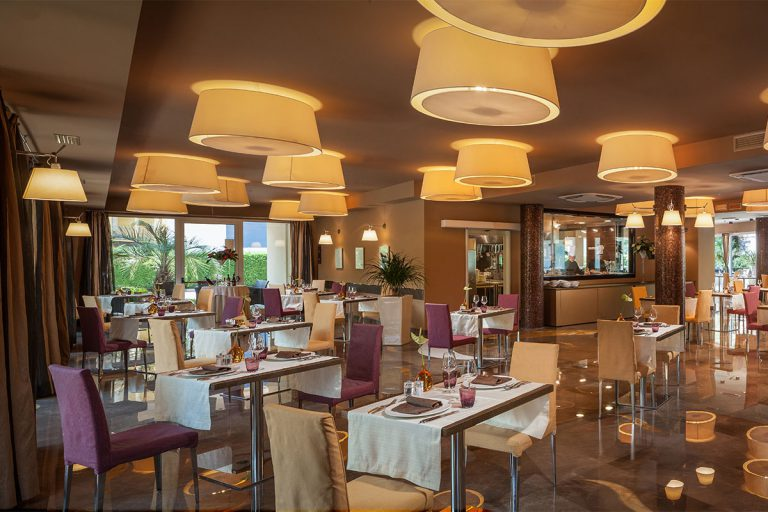
Walk into a real pizzeria, and the first impression rarely comes from the menu. It comes through the air. Oregano, toasted dough, bubbling cheese, roasted garlic, tomato sauce, and sizzling sausage blend into an aroma that feels immediately comforting. In Chicago, neighborhood pizza shops often carry that feeling from one generation to another.
A good pizzeria has a rhythm that begins long before the first order reaches a table. Dough is prepared, sauce is seasoned, toppings are portioned, ovens are heated, and counters are wiped down before the doors get busy. Every small task contributes to the character people recognize when they return.
Behind the Counter
The counter is where the personality of a pizzeria becomes visible. You may see dough being stretched, cheese being spread, sausage being portioned, and pies moving toward the oven in a steady sequence.
There is often very little wasted movement. Experienced pizza makers know how much sauce belongs on a pie, how widely cheese should be distributed, and when dough has reached the right texture. These habits develop through repetition rather than complicated equipment.
The counter also connects the kitchen with customers. Regulars may know the staff by name, while employees may remember favorite toppings or usual orders.
Brick Ovens Bring Heat and Character
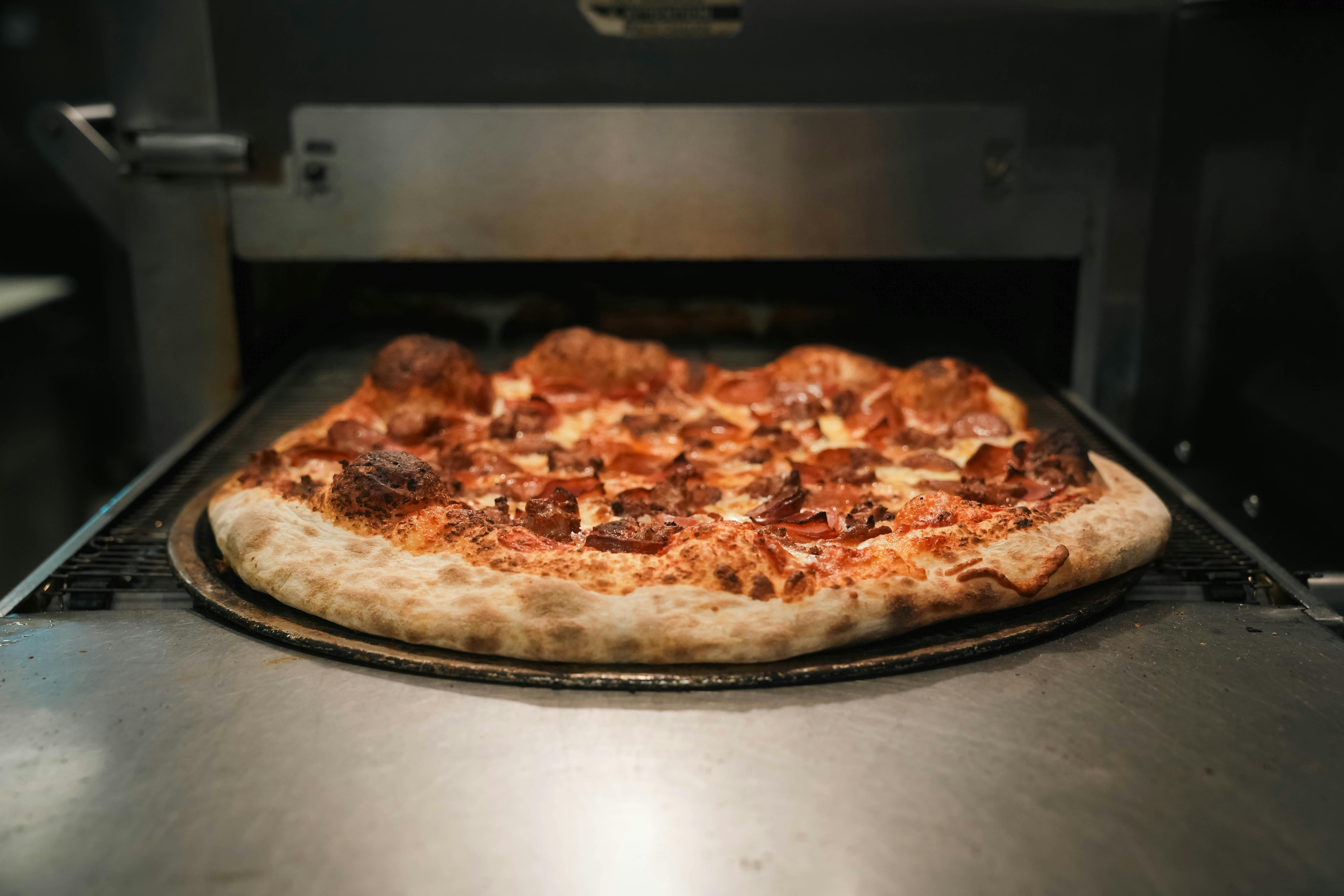
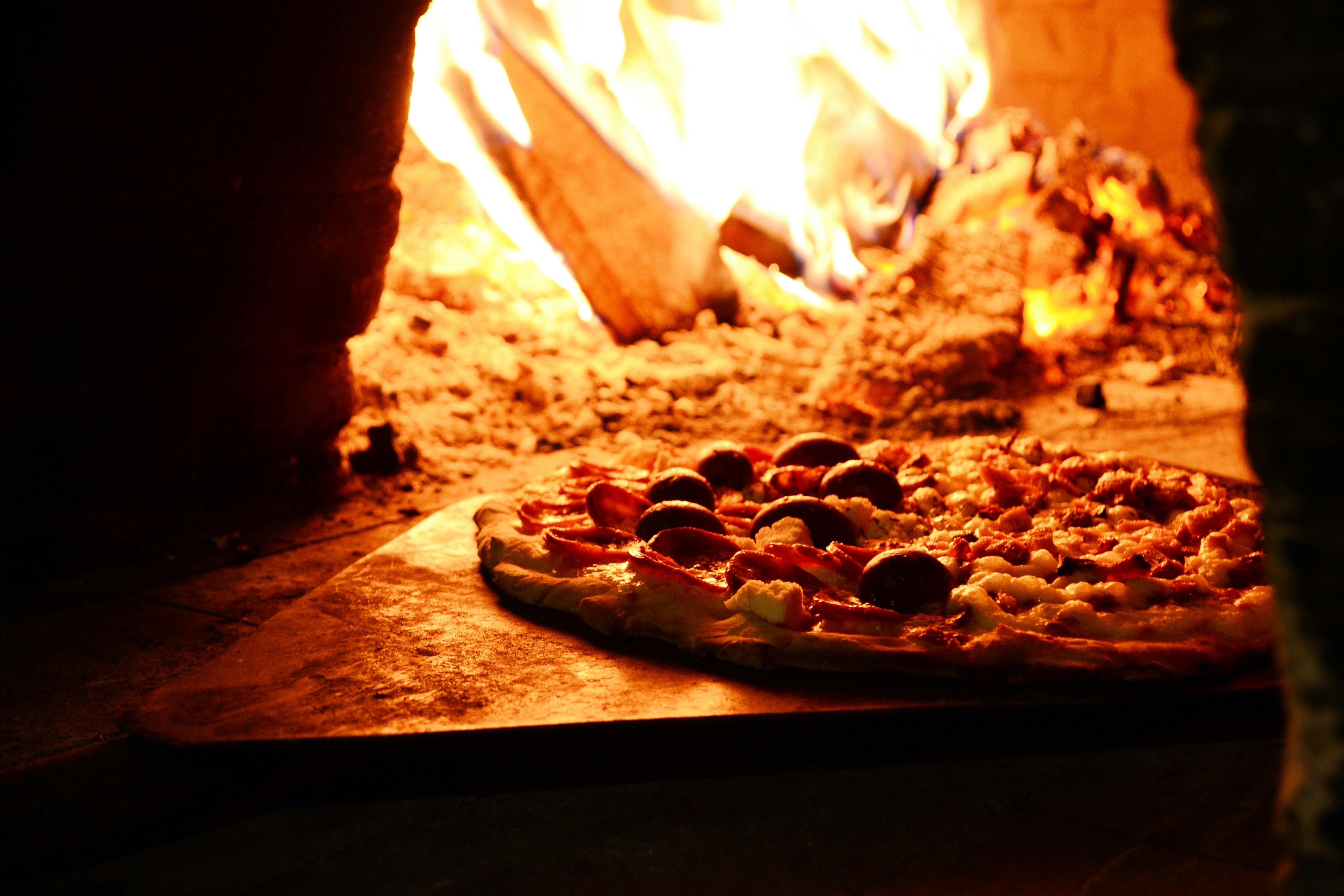
A brick oven can shape both the cooking process and the atmosphere of a pizza shop. Its heated surface gives dough direct contact with strong heat, helping create browned edges and a firm underside while the toppings cook above.
The oven also becomes part of the room. Its warmth is noticeable, especially during busy service, and the sight of pizzas moving in and out adds energy behind the counter.
High heat helps control moisture. Sauce, cheese, and toppings release water as they cook, and the oven must remove enough moisture to keep the crust from becoming soggy.
Hand-Pinched Sausage Makes a Difference
Sausage is one of the toppings that can reveal whether a kitchen treats ingredients with care. Hand-pinched sausage is placed in small pieces rather than one continuous layer, allowing each portion to brown around its edges.
That browning creates savory flavor while the sausage releases fat into nearby cheese and crust. Seasonings such as fennel, garlic, black pepper, and herbs can add another layer without overwhelming the tomato sauce.
The size of each piece matters, too. Smaller portions cook evenly and spread their flavor across the pie. A well-made sausage pizza should let you taste the meat, seasoning, sauce, cheese, and crust together rather than experiencing one ingredient at a time.
Oregano Has a Supporting Role
Oregano may seem like a minor ingredient, but its fragrance can instantly signal pizza. A small amount adds an earthy, herbal note that works naturally with tomato and cheese.
The key is restraint. Too much oregano can make a pie taste dusty or bitter. Used carefully, it provides aroma without taking over. That familiar scent can also become part of a shop’s identity, especially when customers associate it with pizzas they have enjoyed for years.
In a busy kitchen, herbs are one of many details that help create consistency. Customers may not know exactly why a particular pie tastes familiar, but the seasoning profile can bring them back.
Family Recipes Carry Memory
Many neighborhood pizza shops are shaped by recipes passed between family members. A sauce may begin with a parent’s instructions. Dough methods may come from a grandparent. A sausage blend may be adjusted over time while retaining the flavor people remember.
Family recipes do not need to remain completely unchanged. Ingredients, equipment, and customer preferences can shift. What matters is preserving the character of the food while allowing the kitchen to grow.
That balance helps explain why certain neighborhood pizzerias become part of local identity.
The Kitchen Has Its Own Rhythm
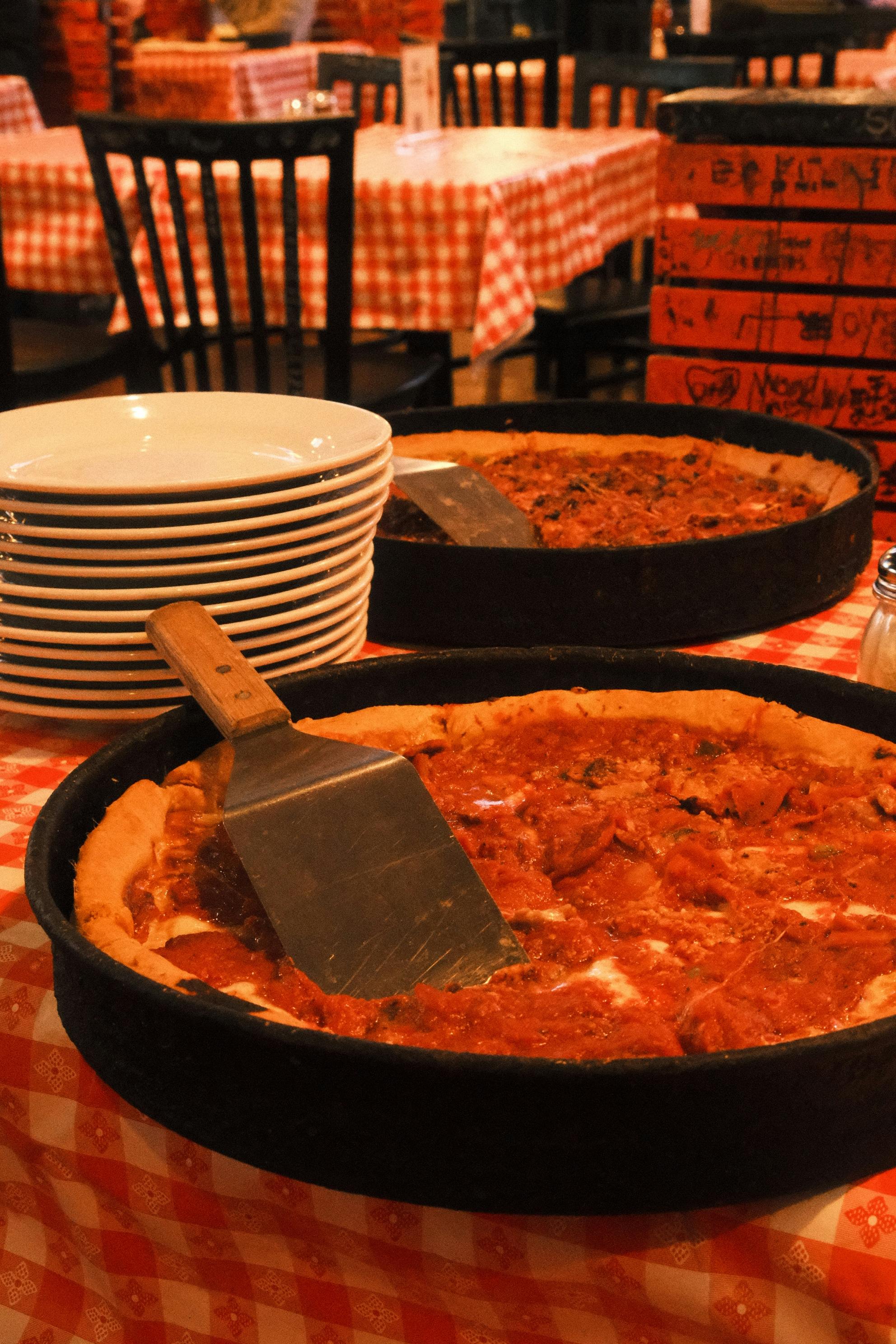
During a rush, a pizza kitchen can look almost choreographed without feeling staged. One person may stretch dough while another adds sauce and cheese. Someone else handles toppings, while another watches the oven.
Timing matters because every pie has a narrow window between underbaked and overbaked. Workers rely on sight, smell, touch, and experience to judge progress.
The process can seem simple from a dining room, yet consistency requires attention throughout the shift. A pizza shop that serves hundreds of pies has to repeat the same basic standards again and again.
Why Neighborhood Shops Feel Different
A neighborhood pizzeria often has a sense of familiarity that larger food operations cannot easily reproduce. Customers may walk in wearing work clothes, school uniforms, or weekend casual wear. The room can include families, longtime residents, visitors, and people picking up dinner on their way home.
That mix gives the shop a community feeling. Pizza becomes a shared point of connection because almost everyone has a favorite topping, preferred crust, or particular way of eating a square or slice.
In Chicago, this local character is especially meaningful because pizza traditions vary from neighborhood to neighborhood. One shop may emphasize a crisp thin crust, another may focus on a thicker base, while another builds its reputation around specialty toppings.
What Makes the Experience Authentic?
Authenticity is not about making a restaurant look old or filling the walls with vintage signs. It comes from consistency, hospitality, ingredients, and a clear sense of what the kitchen wants its pizza to be.
A genuine shop pays attention to its dough. It seasons its sauce with purpose. It uses cheese thoughtfully. It cooks toppings properly. Most importantly, it understands that customers notice when a familiar recipe is handled with care.
That is why a simple pizza can carry so much meaning. A hot pie shared around a table can connect people with family habits, neighborhood memories, and traditions that continue through changing times.
Bringing Chicago Pizza Home
Takeout and delivery have made neighborhood pizza easier to enjoy at home, but the freshest experience still begins at the shop. A pizza straight from the oven has textures that change quickly once steam becomes trapped inside a box.
If you are ordering for a group, choose toppings that appeal to different tastes and plan to serve the pizza soon after it arrives. Keep boxes closed until everyone is ready, then let the first opening release that familiar combination of oregano, tomato, cheese, and baked dough.
Those simple moments are part of what makes local pizza memorable.
A Taste Worth Returning For
A real pizzeria is built from more than ovens and ingredients. It is built from habits, people, recipes, and customers who keep coming back.
For anyone seeking the best Chicago-style pizza, planning pizza catering for offices, or looking for the best Italian food in Chicago, the experience should feel warm, generous, and unmistakably local.
If that sounds like the kind of pizza worth sharing, make Phil’s Pizza D’Oro your next stop. Come hungry, order a fresh pie, and let the aroma of oregano, melted cheese, and baked dough make the meal memorable. Order Now!