Chicago pizza has a way of making thin crust feel substantial without making it heavy. The best thin crust balances snap, chew, salt, fat, and tomato in every square. Traditional Chicago thin crust captures that idea with a crisp base, modest rim, and toppings that stay in proportion from first bite onward.
Thin crust works because it creates contrast. The bottom snaps, the center stays lightly chewy, and the cheese melts into a savory blanket instead of becoming a heavy layer. That contrast keeps each square interesting, especially when sauce brings acidity, and toppings add salt, spice, or richness without excess weight.
The Dough Sets the Foundation
The dough begins the process. For a thin Chicago pie, it needs enough strength to stretch across a pan or peel without turning bready. Too much hydration can make the base soft; too little can make it brittle. The target is a firm, workable dough that bakes crisp yet lively.
Fermentation gives the dough character before it ever reaches the oven. Time lets yeast change sugars and build flavor, while resting can make dough easier to roll thin. For Chicago-style pizza, that matters because a thin sheet needs flexibility without losing its shape during transfer and baking.
Rolling rather than tossing the dough helps create the flat profile people expect. A roller or careful hand work can spread the dough evenly, avoiding thick spots that bake differently.
Why Cornmeal Matters
That familiar cornmeal under a pizza is more than decoration. Small grains can help reduce sticking while encouraging a toasted quality underneath the crust. They also add a faint roasted flavor and a pleasant texture beneath the bite.
Used correctly, cornmeal supports the crisp character without taking attention away from the dough. It is one of those small details that can make a noticeable difference when a pizza is judged from the bottom up.
Deck-Oven Heat Creates the Crunch
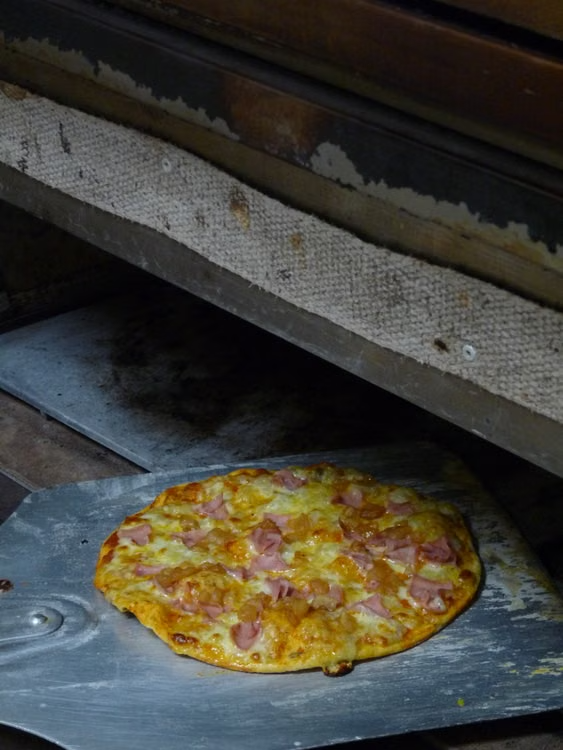
Heat is where good dough becomes great pizza. A hot deck oven transfers energy directly through the baking surface, encouraging rapid browning underneath while the top finishes at nearly the same pace.
Deck ovens matter because they provide a stable cooking floor and strong contact with the dough. That direct heat helps set the bottom quickly rather than relying only on hot air. A strong bake also drives off excess water from sauce and toppings, protecting the thin crust from steam that could soften it.
If the oven temperature is too low, moisture lingers beneath the toppings. The result can be a pale, flexible center rather than the crisp bite Chicago pizza fans expect.
Sauce Needs the Right Amount
Sauce deserves restraint on a thin pie. Too much sauce adds water and weight, which can delay browning and leave the center limp. Too little sauce makes the cheese and crust feel dry.
The ideal layer is thin enough to let heat reach the dough while still providing enough tomato flavor for every bite. A balanced sauce should bring acidity and seasoning without overpowering the crust.
Cheese Brings Everything Together
Cheese has its own job: melt, brown, stretch, and bind toppings to the crust. A lower-moisture blend can brown nicely without releasing excessive liquid.
Even distribution matters. Heavy pockets of cheese can trap moisture and prevent the crust underneath from becoming properly crisp. When the cheese bubbles and browns, its fat also contributes flavor to the surrounding crust.
Toppings Should Support the Crust
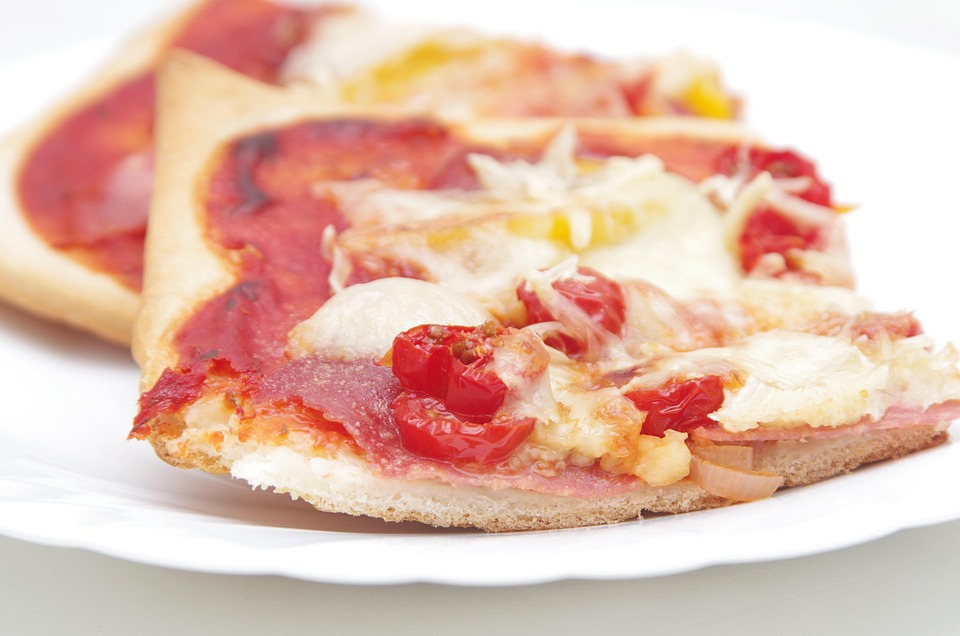
Toppings should be chosen with the crust in mind. Pepperoni, sausage, mushrooms, onions, peppers, and giardiniera all bring different amounts of moisture and fat.
Heavy ingredients can overwhelm a thin base, while smaller, evenly distributed pieces allow heat to reach the dough. The goal is balance rather than piling on as many toppings as possible.
A good thin crust should still be noticeable beneath everything placed on top of it.
Why Square Cuts Change the Experience
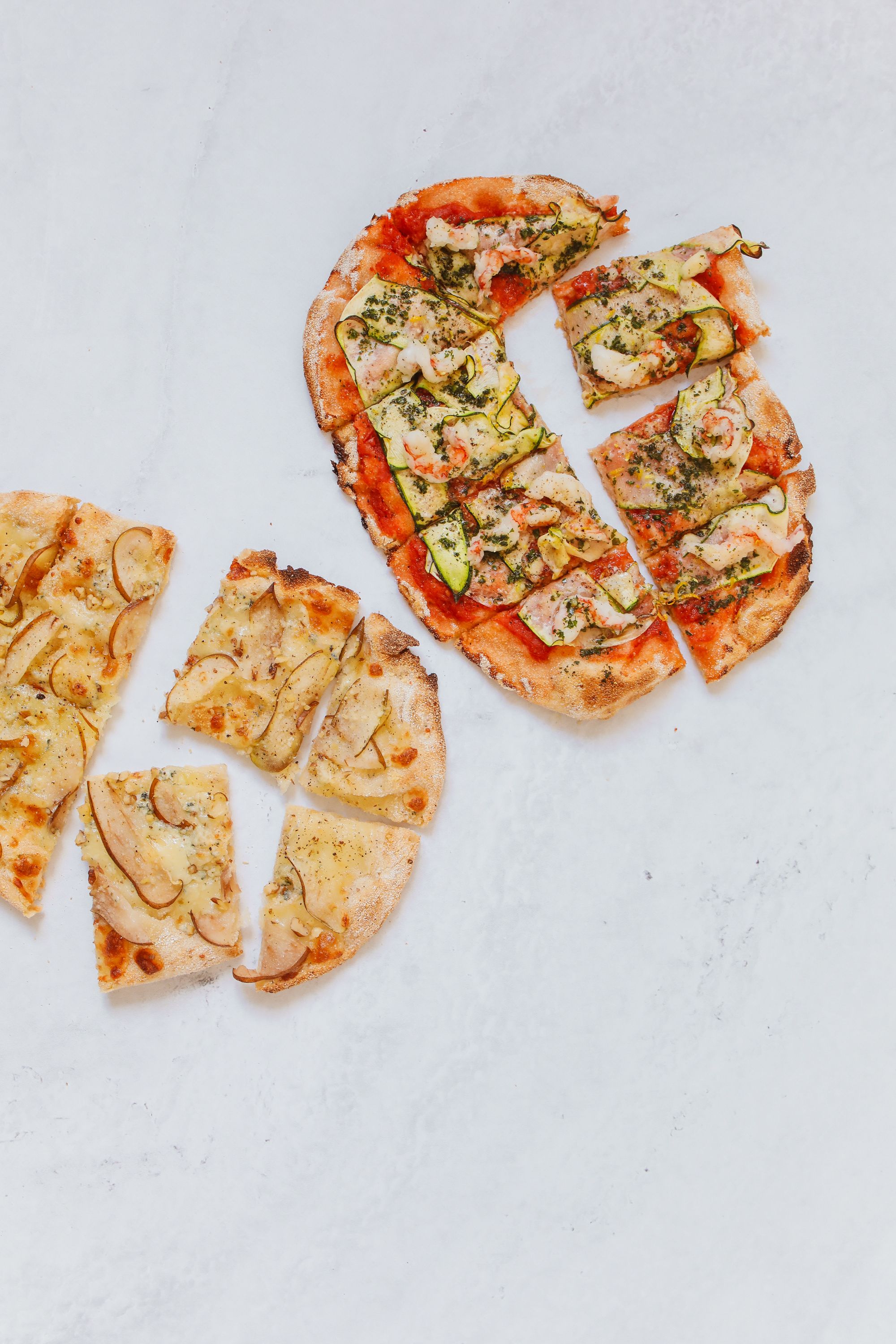
The cut changes how the pizza is eaten. Chicago’s familiar square grid creates corner pieces with extra crust, edge pieces with a mix of crust and toppings, and center pieces with more of the soft topping layer.
That variety lets one pizza satisfy different preferences without changing the recipe.
Square cuts also make sharing practical. Instead of a few large wedges, a grid can create many smaller portions, allowing everyone at the table to grab a piece without committing to an oversized slice.
The Addictive Part Is the Texture
That rhythm is part of the appeal. The first bite delivers crunch, followed by sauce, cheese, and toppings. The next square may offer a slightly different ratio.
Corner pieces can feel crispier, while center pieces can feel richer and softer. That variation keeps the palate interested from beginning to end.
The appeal is not simply about flavor. Texture plays an equally important role. The contrast between a crisp underside, melted cheese, soft sauce, and savory toppings creates a satisfying sequence that encourages another bite.

Freshness Protects the Crisp Bite
Temperature matters after the bake too. A hot pie loses crispness as trapped steam moves through the crust. That is why fresh service matters so much with thin pizza.
Let a pizza sit sealed in a box for too long, and the crisp bottom can soften. Eating it soon after cutting gives the strongest crunch and preserves the contrast that makes the style special.
Packaging also affects texture. A closed box holds heat, but that heat carries moisture. Restaurants must balance warmth with airflow, particularly when pizza is being delivered.
What Makes a Great Chicago Thin Crust?
Chicago has plenty of pizza styles, but thin crust stands apart through restraint. It does not need towering edges or deep layers to feel satisfying.
Its strength comes from contrast: crisp against soft, bright against savory, salty against sweet. Every component has a role, and none should completely dominate the others.
For many pizza fans, the search for the best thin crust in Chicago comes down to whether texture, flavor, and portion size work together. There is no single magic ingredient.
The Final Bite
A memorable thin-crust pizza can look simple while requiring careful control. The crust must be thin enough to crunch, sturdy enough to carry toppings, and dry enough to resist excess moisture. The sauce must taste bright, the cheese must melt cleanly, and the oven must finish the pizza quickly.
When those elements come together, the result is incredibly satisfying: a crisp bite, savory middle, balanced toppings, and another square waiting nearby.
For those seeking pizza catering in Chicago or searching for the best local pizza, a fresh, square-cut pie can be a perfect choice. For a satisfying local pizza experience, make Phil’s Pizza D’Oro the next stop and enjoy that crispy, cheesy bite while it is at its freshest. Order Now!