
Organizing food for a workplace training day involves more than deciding what everyone will eat. Employees may be attending different sessions, following staggered break schedules, or moving between onboarding activities and workshops throughout the day. Asking everyone to collect food at the same time can interrupt the schedule and create unnecessary confusion. Individual boxed meals offer a practical way to organize lunch when employees need to eat at different times.
With separate portions, clearly identified orders, and a selection of sandwiches, pasta, and salads, businesses can make meal distribution easier while keeping training activities on track.
Plan the Lunch Around the Training Schedule
Before choosing the menu, review the day’s schedule and identify when employees will be available to eat. A training event may involve several departments, rotating groups, or employees completing different sessions. This means a single lunch break may not work for everyone.
Start by dividing employees into groups according to their scheduled breaks.
Estimate how many meals each group will need and establish when those meals should be ready. If one team finishes a morning workshop earlier than another, its lunches should be organized separately to prevent food from sitting out unnecessarily.
For businesses arranging corporate lunch catering in Chicago, sharing the training schedule with the restaurant can help clarify the expected order quantities and timing. It is also useful to confirm whether meals can be organized for separate pickup or distribution periods.
Choose Individual Boxed Meals for Easier Distribution
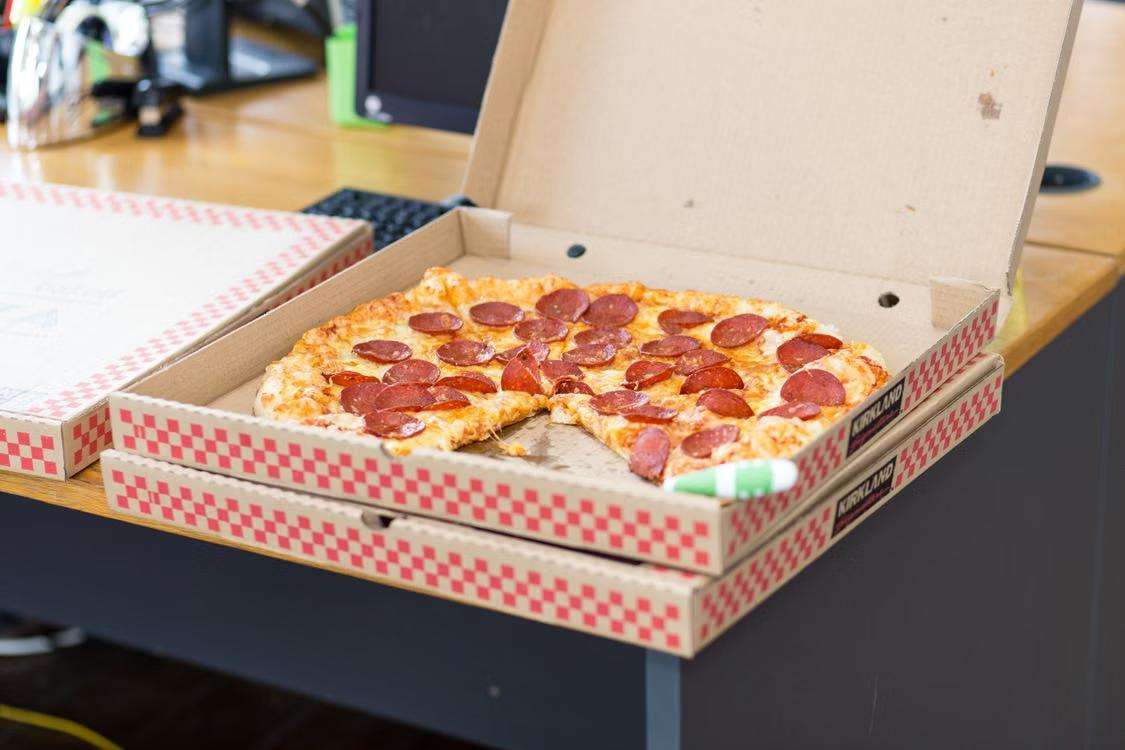
Shared food trays can work well for casual office gatherings, but they may be less convenient when employees have limited break times. Individual packaging gives each person a separate meal, making it easier to distribute food without requiring everyone to gather around one serving table.
When ordering individual boxed meals, businesses should consider how the packaging will be organized. Each meal should be easy to identify, especially when employees have selected different menu items or requested specific dietary accommodations.
A few simple arrangements can make distribution more manageable:
Use employee names or group labels: Clearly identify each meal so employees can collect the correct order.
Organize boxes by department: Keep meals for different training groups together to simplify distribution.
Separate special requests: Make vegetarian or other dietary selections easy to distinguish from standard orders.
Keep serving supplies accessible: Include napkins, utensils, and condiments where needed so employees do not have to search for additional items.
These small details can make a noticeable difference when dozens of employees need to collect lunch within a limited period.
Offer Sandwiches, Pasta, and Salad Options
A training day may bring together employees with different appetites and food preferences. Offering a selection of meal types gives organizers more flexibility than ordering the same lunch for everyone.
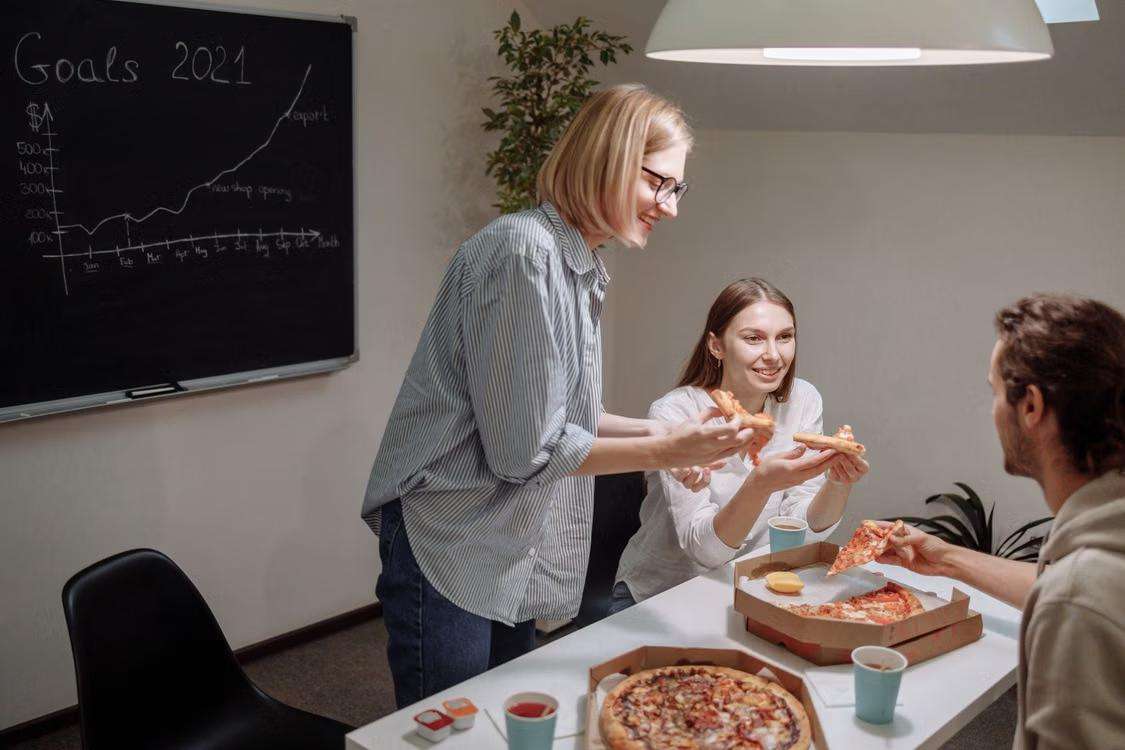
Sandwiches are a convenient option for employees who want something straightforward and easy to eat during a shorter break. They can also work well for participants who need to return to a presentation or workshop without spending too much time on their meal.
Pasta provides a more filling alternative for employees who prefer a substantial lunch. It can be suitable for longer training days when participants need a satisfying meal between extended sessions.
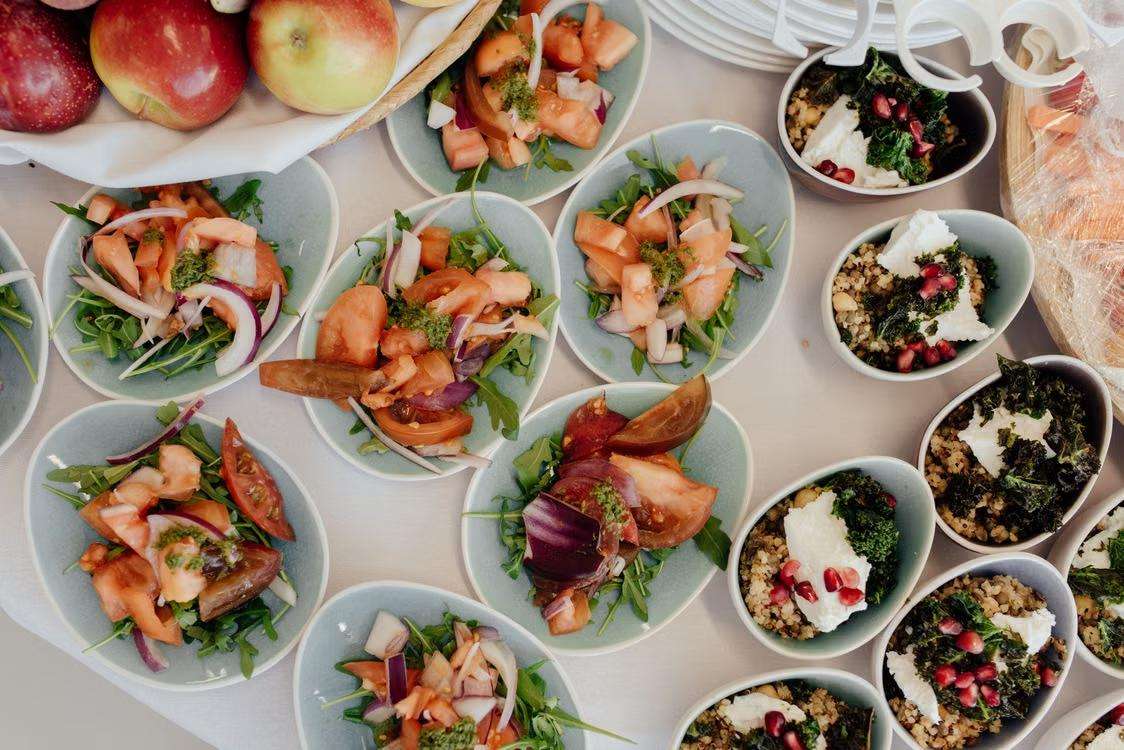
Salads offer another choice for those who prefer a lighter lunch. Including them alongside sandwiches and pasta helps create a menu that accommodates different appetites without making the ordering process overly complicated.
Account for Dietary Preferences and Special Requests
Workplace training events often include employees with different dietary requirements. Some may prefer vegetarian meals, while others may need to avoid particular ingredients because of allergies or other dietary restrictions.
Collecting this information before placing the order can prevent confusion during distribution. A simple meal preference list can record each employee’s selection and any important dietary notes.
Businesses should communicate these requirements clearly when discussing the order. Rather than assuming that a particular dish meets every dietary need, confirm its ingredients and preparation details with the restaurant. For allergy-related requests, ask about potential cross-contact during food preparation.
Make Workplace Training Lunches Easier to Manage
Phil’s Pizza D’Oro offers food options for workplace gatherings and group meals, giving Chicago businesses a convenient choice when planning meals for employees.
Whether organizing an onboarding session, professional workshop, or full-day training event, businesses can explore our available menu selections and discuss catering arrangements to make lunch easier to coordinate.