There is a particular sound that tells you a thin-crust pizza has been baked well: the crisp break beneath your teeth, followed by a tender bite. For many Chicago pizza fans, that contrast is what makes the best thin crust so memorable. The crust should not feel dry or brittle. Instead, it should offer a firm bottom, a light interior, and enough structure to support sauce, cheese, and toppings.
The signature snap comes from several technical decisions working together. Dough hydration, flour selection, fermentation, pan preparation, oven temperature, baking time, and topping weight all affect the final texture.
The Dough Sets the Foundation
A crisp pizza begins long before it reaches the oven. Dough contains flour, water, yeast, salt, and sometimes a small amount of oil or sugar. Each ingredient influences how the crust behaves under intense heat.
For thin pizza, the dough cannot be excessively wet or thick. Too much moisture can slow browning and leave the center soft. Too little can produce a hard, cracker-like result. Bakers aim for a balance that allows the base to dry and brown quickly while retaining enough moisture for a pleasant chew.
Fermentation Adds Character
Time is another important factor. During fermentation, yeast works through the dough and produces gases that influence texture and flavor. A controlled fermentation period can create a dough that is easier to stretch and more flavorful after baking.
For thin crust, fermentation needs to be managed carefully. Too much fermentation may weaken the dough, while too little can leave it dense and lacking character. Temperature also changes how quickly fermentation happens, so professional kitchens pay attention to storage conditions as well as timing.
The finished dough should be relaxed enough to shape without excessive resistance.

Cornmeal Can Change the Bottom
One familiar technique is preparing the pan or work surface with cornmeal. Small grains of cornmeal can create tiny points of contact between the dough and the hot surface. They can also contribute a toasted flavor and a slightly rougher texture.
The amount matters. Too much cornmeal can overwhelm the crust and create excessive loose particles on the bottom. Too little may provide little noticeable effect.
Some kitchens use other methods to reduce sticking, including flour, semolina, oil, or specially prepared baking surfaces.
High Heat Creates the Crunch
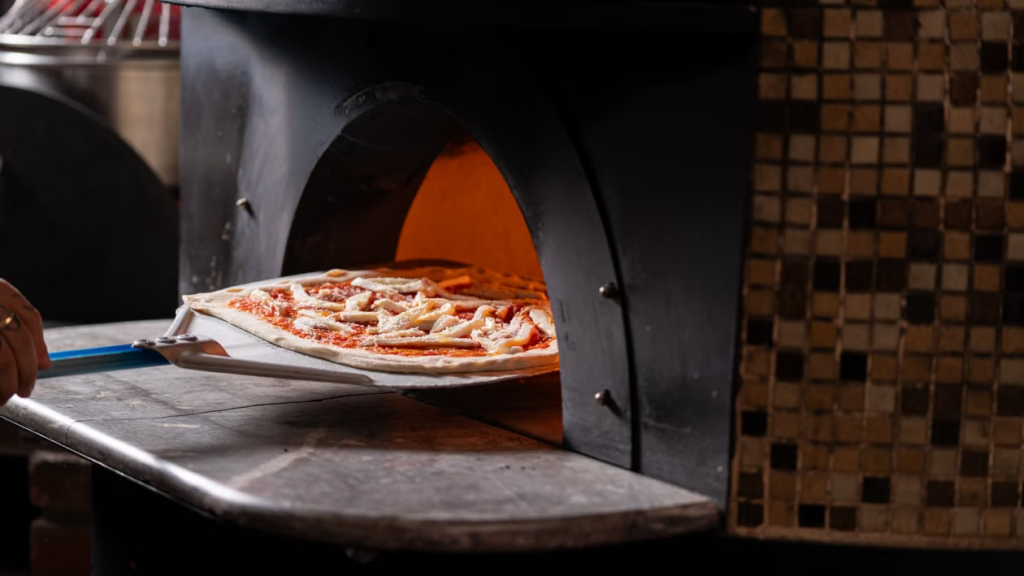
Oven temperature is one of the biggest factors behind a crisp base. A hot deck oven transfers energy directly into the pizza, helping moisture leave the dough while the surface develops a browned exterior.
A deck oven uses a heated baking surface, often made from stone or another material designed to retain heat. When the dough meets that surface, the bottom receives an immediate burst of heat. That contact encourages browning and helps establish the crust’s firm texture.
Air temperature matters too. Heat from above cooks the cheese and toppings while the baking surface works on the bottom. The balance between these heat sources determines whether the pizza emerges crisp, underdone, or overly dark.
Baking Time Requires Precision
High heat alone does not guarantee a great crust. Baking time must match the dough thickness, topping load, and oven temperature.
A very thin pizza may need only a relatively short bake. If it remains in the oven too long, its moisture can disappear, and the crust may become excessively hard. If it comes out too soon, the bottom may lack the firmness needed for that satisfying snap.
Experienced pizza makers watch color, bubbling, edge development, and bottom browning rather than relying only on a timer. These visual and physical signs help determine when the pizza is ready.

Toppings Affect Texture
Even an excellent dough can lose its crispness under excessive toppings. Sauce, cheese, vegetables, and meats all introduce moisture and weight.
A thin crust needs a sensible topping load. Too much sauce can soak the dough before it has time to crisp. Wet vegetables can release additional water during baking. A heavy layer of cheese may also slow moisture loss.
This is one reason Chicago tavern style pizza has such a devoted following. Its thin base and balanced topping approach allow the crust to remain a noticeable part of every bite.
Cutting Changes the Experience
Pizza texture does not end when the oven door opens. Cutting style influences how each portion feels when picked up.
A thin pizza cut into small squares provides many crisp edges and manageable portions. Each piece can be lifted easily, and the ratio of crust to toppings changes slightly from one piece to another.
That familiar format is closely associated with square-cut pizza, where the rectangular pieces make sharing convenient. The cut also creates corner pieces with extra exposed crust, which many diners appreciate for their crunch.
The Role of Resting
Freshly baked pizza contains steam. Allowing it to sit briefly before cutting can give some of that steam a chance to escape instead of becoming trapped beneath the toppings.
However, waiting too long can work against the desired texture. As the pizza cools, the crust gradually loses the qualities created by the hot oven.
The ideal timing depends on the pizza’s thickness and topping load. A short rest can make handling easier while preserving much of the crispness that diners expect.

Why Thin Crust Rewards Simplicity
The thinner the crust, the more visible every technical choice becomes. A thick base can hide small variations in dough preparation or baking. Thin pizza leaves little room for error.
That is why the best thin crust depends on consistency. The dough must be mixed properly, fermented appropriately, stretched evenly, baked on a hot surface, and topped with restraint.
For diners, the result is simple: a pizza that feels crisp without being dry, sturdy without being heavy, and flavorful without allowing the crust to disappear beneath the toppings.
What to Look For in a Great Slice
When judging a thin-crust pizza, start with the bottom. Look for even browning rather than pale patches or scorched areas. Pick up a piece and see whether it holds its shape without becoming floppy.
Next, listen for the crust’s texture when you bite it. A satisfying snap should lead into a pleasant chew rather than a hard crunch. Check whether the toppings feel balanced and whether the center remains firm enough to support them.
Let the Crust Speak
The signature snap of great thin pizza comes from science, technique, and restraint. Properly fermented dough provides structure, cornmeal or another release method can influence the bottom, and a hot deck oven creates the heat needed for deep browning. Careful topping choices then allow that crisp foundation to remain noticeable from the first bite to the last.
If you are looking for the best thin crust or the best Chicago-style pizza, make your next meal about the crust itself. Visit Phil’s Pizza D’Oro, order a thin-crust favorite, and listen for that satisfying snap when you take the first bite. Order Now!